

The content, designs and creative work your business develops can have lasting commercial value. Making sure you know who owns those rights, who can use them and on what terms can help you protect that value and use it confidently as your business develops.
Copyright and design rights protect different types of creative and commercial assets. Copyright protection generally arises automatically, while designs may benefit from registered or unregistered rights depending on the circumstances.
The practical questions often arise when more than one person or business has been involved. It is important to understand what rights have been created and whether your contracts reflect the ownership and permissions your business actually needs.
We advise businesses on the ownership, protection, licensing and use of copyright and design rights. We can review existing arrangements, help put appropriate agreements in place and advise when your business wants to acquire, license or permit the use of creative work or designs. We also advise on copyright and design disputes, including pursuing and defending infringement claims where creative works or designs have been copied or used without permission.
We make it possible to put clear arrangements around the work your business creates and commissions, protect its value and take appropriate action where your rights are challenged or infringed.
If you would like advice on copyright or design rights, call us or complete the enquiry form. We will consider the rights involved, the existing arrangements and what you need to achieve before explaining the most practical next steps.
Copyright and design rights advice for your business
Businesses create copyright and design assets every day, sometimes without treating them as intellectual property at the time.
A new website may involve written content, photography, graphic design and software. A product launch might involve prototypes, drawings, packaging and promotional materials. An agency relationship could produce campaign concepts, video, photography or digital assets. A technology project may result in software code, interfaces, documentation and other creative material.
The commercial value of those assets can depend on having a clear answer to a simple question: who owns what, and what rights does your business have to use it?
That is particularly important where third parties have contributed to the work. The person paying for commissioned copyright work does not necessarily become its copyright owner automatically. The creator will generally be the first copyright owner unless an exception applies or ownership is transferred, while work created by an employee in the course of their employment will generally belong to the employer, subject to any agreement to the contrary.
We can help ensure agreements deal clearly with ownership and rights of use, so your business has the rights it needs to use, adapt and commercialise the work with greater confidence.
Copyright and design ownership and commissioned work
In the UK, copyright protection arises automatically where the relevant legal requirements are met and there is no official copyright register. Certain design rights can also arise automatically without registration.
Ownership can nevertheless become complicated where your business commissions creative work or designs from a third party. Even where your business has paid for the work, it will not necessarily own the copyright or design rights. Where ownership needs to be transferred, an appropriate written assignment may be required.
We can advise before work begins or review an existing project where the arrangements are unclear. Our advice will focus on ensuring that the ownership and rights of use reflect how the work or design will actually be used by your business.
Design rights and protecting product appearance
The appearance of a product can play an important part in how customers recognise and choose it. Design protection can therefore be relevant to a number of visual product features.
There are different forms of design protection in the UK, including registered designs and forms of unregistered design protection. A registered design can protect aspects of a product’s appearance, while unregistered rights can arise automatically where the relevant requirements are satisfied.
We can help you consider what rights may apply to a design and, where appropriate, how registered design protection fits alongside other intellectual property rights and contractual protections available to your business. We can also advise on ownership and infringement of design rights, including where a design has been created by an employee, consultant or third party, or where you believe that a competitor has copied a protected design.
Infringement, authorship and permitted use
We can advise on how copyright and design rights can be used, challenged and enforced in practice. This includes explaining the distinction between authorship and ownership, assessing whether use of protected material may amount to copyright or design right infringement, and considering whether any statutory exceptions or permitted acts apply.
Where a dispute arises, we have substantial experience pursuing and defending complex copyright and design claims. We can help you assess the strength of your position, the commercial risks and the most appropriate strategy for protecting or defending your position.
How we work with you
Copyright and design rights advice starts with understanding what has been created and how it fits into your business.
You will have a clear point of contact who takes responsibility for progress and keeps you updated. For owner-managed businesses and SMEs, that means practical guidance and clear next steps without needing to coordinate several advisers. For in-house teams and larger organisations, we can work alongside your existing legal or commercial function, providing additional capacity and specialist input where required.
Copyright and design issues often form part of wider commercial arrangements, contracts, corporate transactions, and employment matters. Where that happens, we bring the relevant colleagues together so you receive a joined-up approach across the firm.
We aim to work as an extension of your team, helping you put arrangements in place that protect important assets while remaining workable in day-to-day business.
We will discuss the scope of the work and your pricing options at the outset, so you understand what is involved before making decisions.
Talk to our copyright and design rights solicitors
Whether you are commissioning creative work, developing a new product, reviewing ownership or putting licensing arrangements in place or pursuing or defending a copyright or design infringement claim our copyright and design rights solicitors can help you establish a clear legal and commercial position.
Harrison Drury is recognised in independent legal directories including Chambers UK and Legal 500 (UK), the firm also holds Lexcel, the Law Society’s practice management standard.
Known throughout the North, with offices in Lancashire, Cumbria and Staffordshire including Preston, Clitheroe, Garstang, Kendal, Lancaster, Lytham, Manchester, Southport and Stoke, we offer accessible support that stays close to what matters to your business.
Call us or complete the form below to arrange an initial conversation. We will consider the rights involved review the arrangements already in place where relevant and explain the next steps, including the likely scope and cost of the work.
Copyright and design rights FAQs
An assignment transfers ownership of copyright from one party to another. An assignment of copyright must be in writing and signed by or on behalf of the person transferring the copyright.
An assignment may be relevant where your business has commissioned creative work but the creator currently owns the copyright, or where intellectual property is being transferred as part of a wider commercial transaction.
An assignment transfers ownership. A licence generally allows somebody else to use the copyright while ownership remains with the existing owner. Which approach is appropriate depends on the commercial arrangement. If you need long-term control over a core business asset, ownership may be important. In other situations, an appropriately drafted licence may provide all the rights you need.
We can help you decide what the agreement needs to achieve and document it accordingly.
Not every design needs to be registered to benefit from legal protection. Certain unregistered design rights can arise automatically, while registered design protection is obtained through registration.
Whether registration is appropriate will depend on the design, its commercial importance, how you intend to use it and where protection is required. It can therefore be helpful to take advice before public disclosure or launch where a design is an important business asset.
Yes. We can review existing contracts and arrangements to help establish what your business owns, what it licenses from others and whether there are gaps or uncertainties that should be addressed. This can be particularly useful before changing supplier, licensing an asset to somebody else or entering into an investment, acquisition or business sale where ownership may need to be demonstrated.
Yes. Where you believe another party is using copyright or designs without permission, we can help assess what rights you may have and advise on the appropriate enforcement strategy. We have substantial experience pursuing and defending complex copyright and design disputes and will explain your options, the risks and likely costs, and help you decide on a proportionate next step.
The length of copyright protection depends on the type of work. For most literary,written, dramatic, musical and artistic works in the UK, copyright generally lasts for the author’s lifetime plus 70 years, although different periods can apply to works such as sound recordings, films and broadcasts.
In the UK, there is generally a 12-month grace period after a designer makes their design public in which they can apply to register it without that disclosure automatically destroying its novelty. However, earlier filing is often advisable, particularly where the design may be disclosed or used by third parties. The position can also differ in other jurisdictions, so if protection outside the UK may be important, advice should ideally be taken before the design is publicly disclosed or launched.
Meet our Intellectual Property team



Related Services
Commercial Dispute Resolution & Avoidance
Find out moreCorporate
Find out moreCommercial Business
Find out moreEmployment & HR
Find out moreRegulatory
Find out moreLatest News and Insights
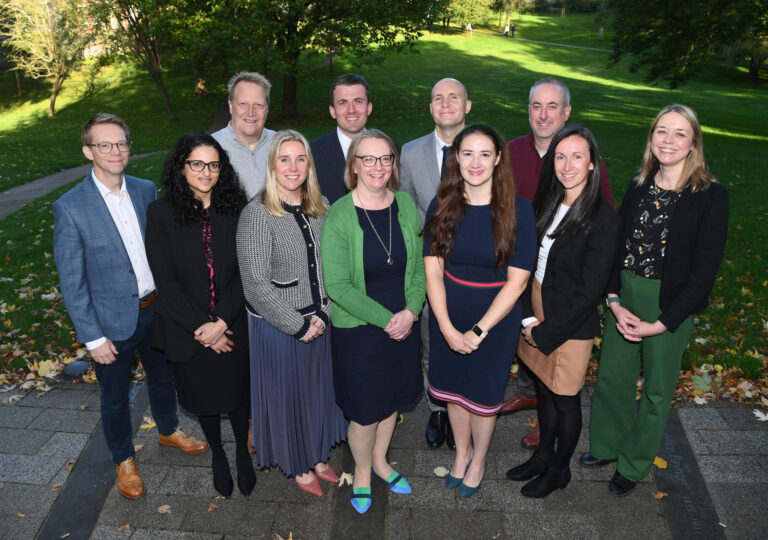
Harrison Drury celebrates record Chambers success as more lawyers gain national recognition
Read more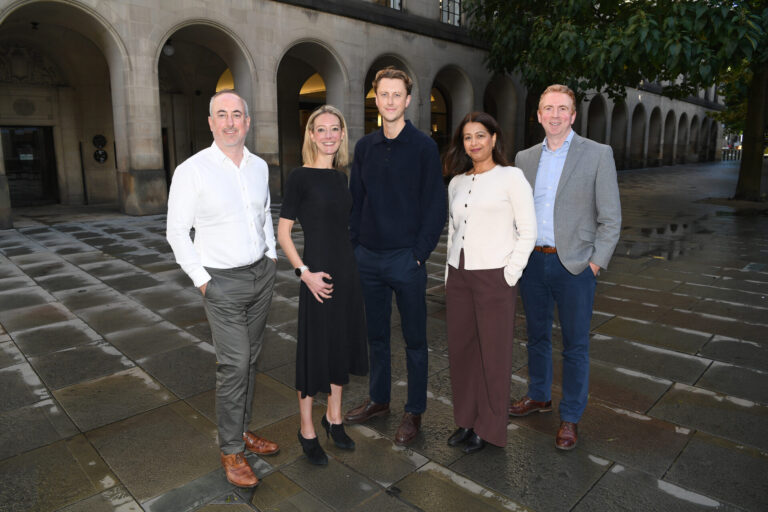
Harrison Drury strengthens Manchester team with two legal director appointments
Read more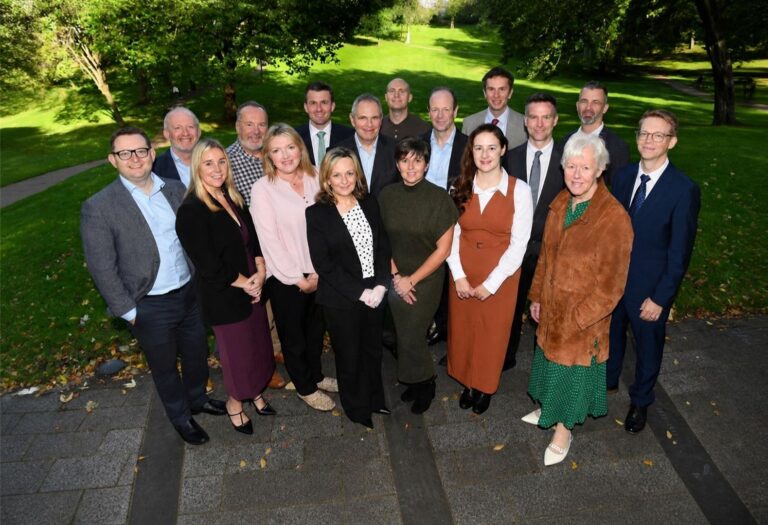
People investment drives record 2027 Legal 500 rankings for Harrison Drury
Read more
Grierson Awards longlist recognition puts pioneering women’s football story in the spotlight
Read more
Asima Rana recognised in global list of leading intellectual property professionals
Read more
Harrison Drury bolsters intellectual property offering with partner appointment
Read more
Harrison Drury expands commercial offering with legal director appointment
Read more
Harrison Drury celebrates another year of increased Legal 500 rankings
Read more
Commercial and IP solicitor joins Harrison Drury’s Manchester team
Read more
Harrison Drury advises Santé Group on acquisition of popular employee wellbeing app
Read more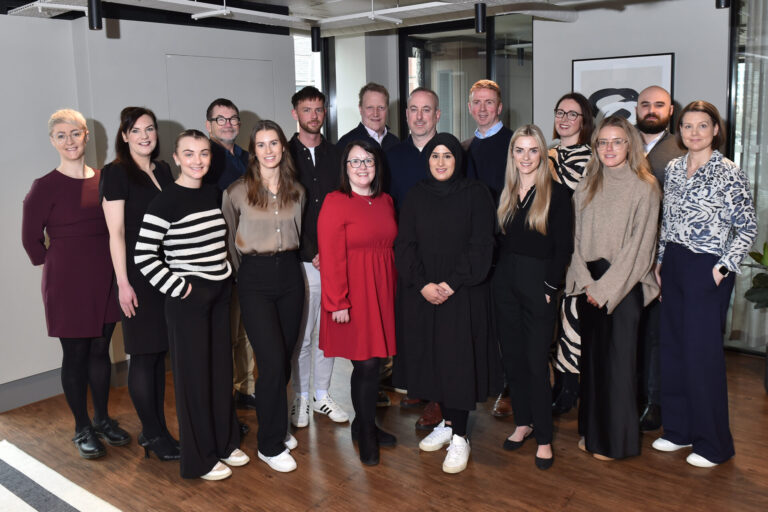
Harrison Drury marks Manchester growth with move to larger office
Read more
The Court of apple rules on Thatchers v Aldi
Read more