

The Harrison Drury commercial property team have a deep understanding and wealth of experience in sale and purchase transactions involving commercial property. Whether you are an investor, a business with commercial premises or a client for whom property is your business, we can advise on all aspects of the acquisition or sale.
We deal with all types and values of transactions; from business relocations, expansions, and acquisitions of landlord’s interests by a tenant occupier through to large scale acquisitions and disposals including multi-let and multi-use property portfolios. We can also manage the extensive document processing involved with the transaction through our online data room.
Our team can help you, as buyer or seller, with:
- Advising on deal structure including setting up special purpose vehicles (SPV’s) and assisting with heads of terms
- Sale agreements, sale and leasebacks, conditional contracts, option agreements, rights of pre-emption
- Overage and clawback agreements
- Auction packs, tender documents and highest bid arrangements and managing risk in respect of those processes
- Title deduction, searches and enquiries, due diligence, advice on matters affecting the title such as easements covenants and rectifying title issues or procuring adequate indemnity insurance cover
- Legal charges, personal and corporate guarantees, facilitating redemption of borrowings and discharges of security
- Filing of Stamp Duty Land Tax returns
- Land Registry registrations
- Disputes arising out of commercial and residential property transactions
We work closely and collaboratively with clients’ accountants, bankers, agents, surveyors, tax advisers and other professional advisors to progress your matter through to completion in the most efficient and timely manner possible.
To speak to our commercial property specialists please call us on 01772 258321 or make an enquiry below to see how we can assist you and your business.
Meet our Commercial Property team


































Related Services
Commercial Business
Find out moreCommercial Dispute Resolution & Avoidance
Find out moreConstruction
Find out moreCorporate
Find out moreEmployment & HR
Find out moreInsolvency & Restructuring
Find out moreLicensing
Find out moreLand & Property Dispute Resolution
Find out moreRegulatory
Find out moreWills, Trusts & Probate
Find out moreLatest News and Insights

Harrison Drury grows commercial property team in Preston with double appointment
Read more
Harrison Drury appoints Josh Bragg as legal director in Manchester commercial property team
Read more
Harrison Drury expands commercial property team in Manchester with latest appointment
Read more
Harrison Drury continues to grow commercial property team in Manchester
Read more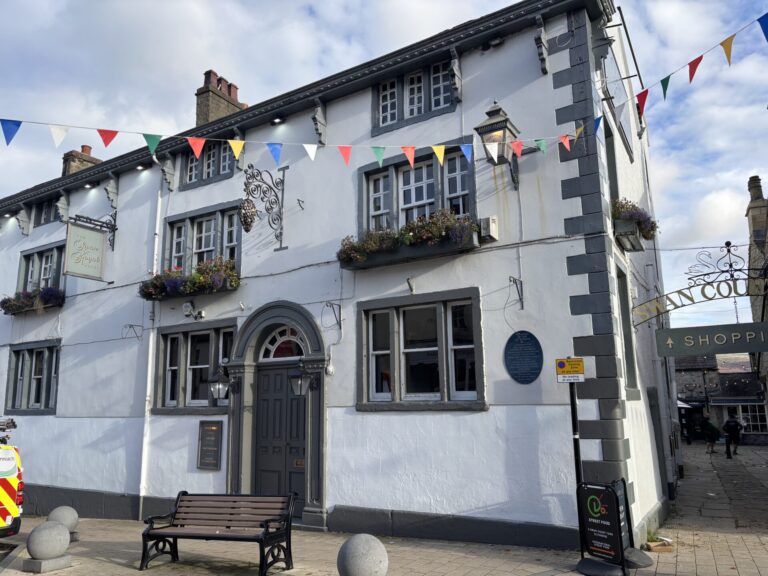
Harrison Drury supports business partners to acquire historic Clitheroe pub and hotel
Read more
Welcoming Elisabeth as a partner in our Manchester commercial property team
Read more
Harrison Drury welcomes two new commercial property solicitors to Clitheroe
Read more
Our commitment to career progression sees further nine promotions
Read more
Harrison Drury celebrates another year of increased Legal 500 rankings
Read moreHarrison Drury advises BeaverFit on acquisition of Bastion
Read more
Harrison Drury shortlisted for three Insider Dealmakers Awards
Read more
Harrison Drury advises on sale of Oaks Hotel in Burnley
Read more